
Gulf CV format: what employers in the UAE, Saudi Arabia and Qatar expect
By Bhagirath Sheela, founder of JobCatch ·
A CV for a job in the UAE, Saudi Arabia, Qatar, Kuwait, Oman or Bahrain carries details an Indian resume usually leaves out and a Western one never includes: a photo, your nationality, your visa status and when you can join. Recruiters there screen for these first, because they decide whether you can be hired at all.
What a Gulf CV includes
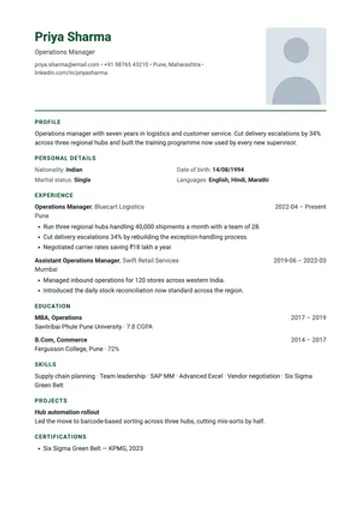
- A photo: recent, passport-style, plain background. It is expected by most Gulf employers.
- Nationality and date of birth, in the personal details at the top.
- Visa status: in India and needing an employment visa, already in the Gulf on a visit or employment visa, or able to transfer. This tells the employer what hiring you involves.
- Notice period or joining date: "Available to join in 30 days".
- Driving licence: say if you hold a GCC licence, or an Indian one, for any role that involves driving.
- Languages: English and any Arabic, plus Hindi, Urdu, Malayalam, Tamil or others you speak. Many customer-facing roles look for them.
- Gulf experience, if you have it, named clearly: employers value people who already know the market.
Length, order and tone
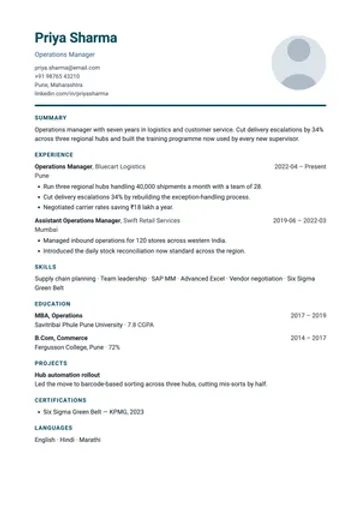
Two pages is normal. Start with a short profile, then experience in reverse order with clear job titles, company names, countries and dates. Recruiters in the Gulf often hire for a precise title, so use the standard name for your role — "Accountant", "Site Engineer", "Sales Executive" — rather than an internal one.
Do not put your expected salary on the CV unless the posting asks; it is discussed later, usually as a monthly figure with allowances for housing and transport.
Certificates and attestation
Many Gulf work visas for skilled roles need your degree certificate attested, first in India and then by the destination country's embassy or ministry. If yours is already attested, say so on the CV — it can shorten hiring. If not, find out what your target country asks for before you accept an offer, because attestation can take weeks.
Check the recruiting agent before you pay anyone
Indian workers going to the Gulf are a target for fake agents. Use only recruiting agents registered with the Government of India: their licence can be checked on the eMigrate portal. Never pay for a "visa" or a "job confirmation" before you have a written offer from the employer, and read how to spot a fake job offer.
If your passport is marked ECR (Emigration Check Required), you need emigration clearance through eMigrate for employment in the Gulf countries. A genuine agent or employer will tell you this; one who says it is unnecessary is a warning sign.
Questions
Should I put a photo on a CV for Dubai?
Yes. Most employers in the UAE and the rest of the Gulf expect one. Use a recent, passport-style photo with a plain background.
Should I mention my religion or marital status on a Gulf CV?
Religion, no. Marital status is still common on Gulf CVs because it can affect visas and family sponsorship, but include it only if you are comfortable doing so.
How long should a Gulf CV be?
Two pages for most experienced candidates, one for freshers. Keep personal details short and put your experience first.
Templates that follow this format
More guides: ATS-friendly resume · Fresher resume format · Bio-data format · Spot a fake job offer · Europass CV · German CV · UK CV · US and Canada resume · Government job resume · Teacher resume · Campus placement resume · ATS myths · Naukri resume headline · Notice period · CTC on a resume · Employment gap